What is Social Engineering?
Social engineering is a tactic used by cybercriminals to manipulate people into divulging confidential information or performing actions that compromise security. Instead of exploiting technical weaknesses, social engineers exploit human psychology.
Common Social Engineering Tactics
-
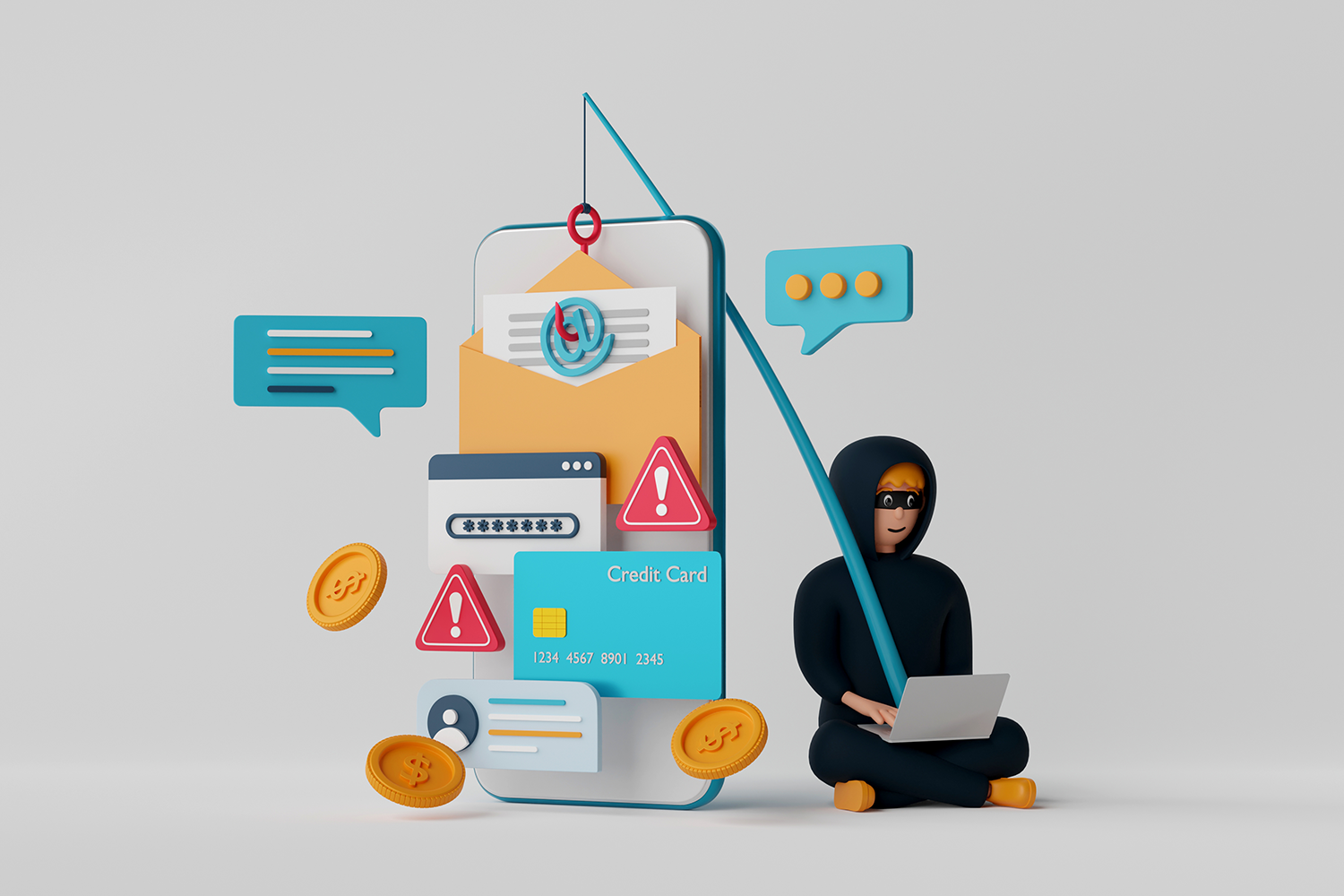 Phishing:
This involves sending fraudulent emails or messages that appear to be from a legitimate source to trick individuals into revealing sensitive information, such as login credentials or financial details.
-
 Pretexting:
In this approach, the attacker creates a fabricated scenario or pretext to obtain information. For example, they might pose as an IT support technician to gain access to an employee's account.
-
 Baiting:
This tactic involves offering something enticing, such as free software or a prize, to lure individuals into providing sensitive information or downloading malicious software.
-
 Tailgating:
Here, the attacker gains physical access to a restricted area by following an authorized person, such as using a badge or entering through a door that was held open by someone else.
Impact on Organizational Security
Social engineering attacks can have severe consequences for organizations, including:
- Data breaches that expose sensitive information.
- Financial losses due to fraud or theft.
- Damage to the organization's reputation and loss of customer trust.
- Legal and regulatory penalties for failing to protect sensitive data.
Challenges in Defending Against Social Engineering
Defending against social engineering attacks can be challenging due to their reliance on human behavior:
- Security Awareness Training: Employees must be trained to recognize and respond to social engineering tactics. This includes understanding the importance of safeguarding sensitive information and being cautious about unsolicited requests.
- Policy Enforcement: Organizations need clear policies and procedures for handling sensitive information and reporting suspicious activities. Policies should also address physical security measures to prevent tailgating.
- Incident Response Preparedness: Having a plan in place to respond to social engineering attacks is crucial. This includes knowing how to report incidents, mitigate damage, and recover from attacks.